

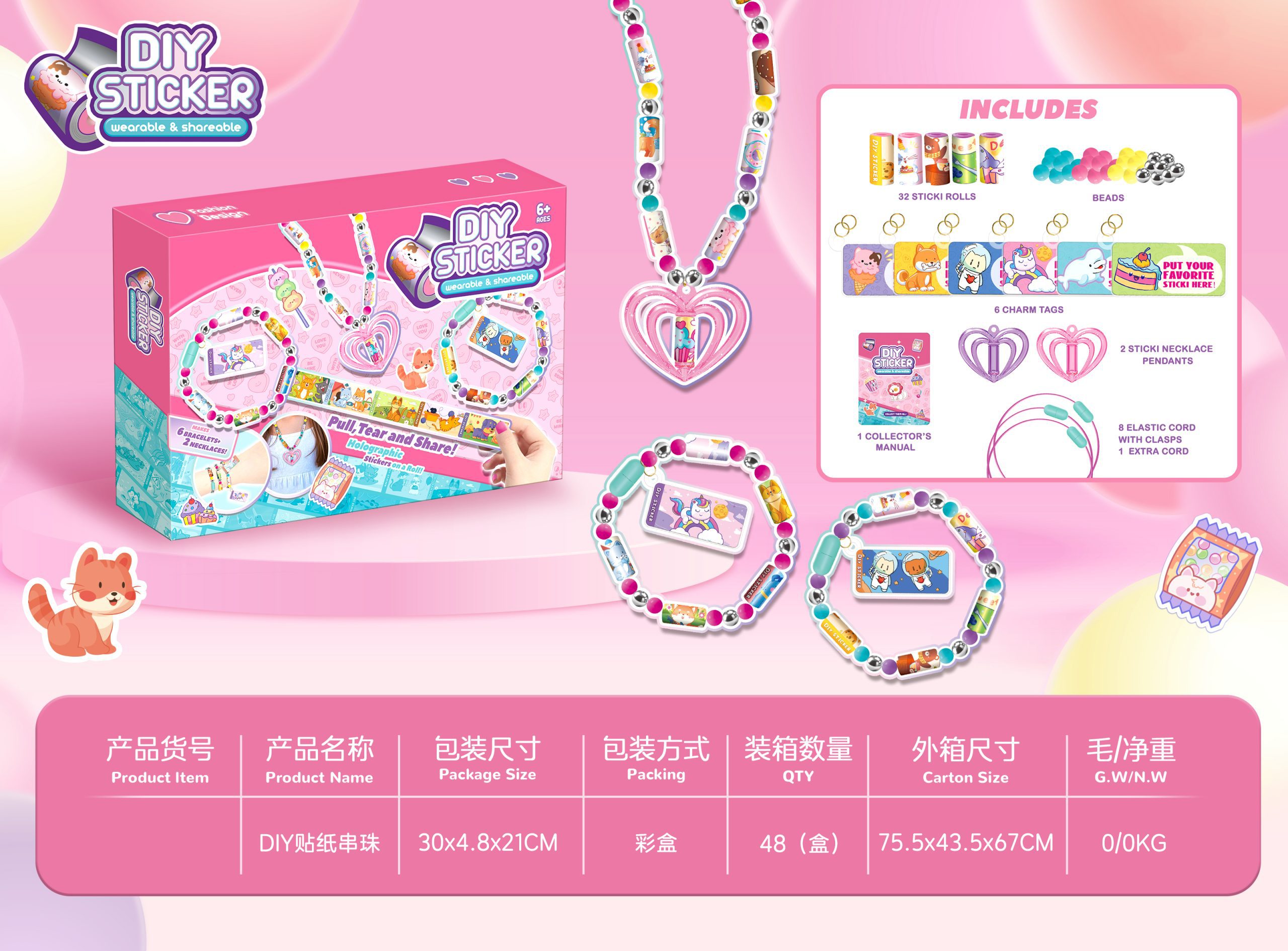
Educational Toys
At age 3, children are like sponges—absorbing information, experimenting with creativity, and developing critical skills at lightning speed. The right toys can transform playtime into a powerhouse of learning, fostering cognitive, motor, social, and emotional growth. But with endless options on the market, how do you choose wisely? Let’s explore the best educational toys for 3-year-olds that balance fun and learning.
Why Educational Toys Matter at Age 3
By age 3, toddlers are transitioning from parallel play to interactive games, developing:
- Fine and gross motor skills (stacking blocks, drawing).
- Problem-solving abilities (simple puzzles, cause-and-effect toys).
- Language skills (pretend play, storytelling).
- Imagination and creativity (role-playing, arts and crafts).
The best toys act as “stealth teachers,” blending play with skill-building without screens or pressure.
Top Categories of Educational Toys for 3-Year-Olds
1. Building & Construction Sets
- Examples: Wooden blocks, magnetic tiles, LEGO DUPLO.
- Why: Enhances spatial reasoning, hand-eye coordination, and creativity.
- Bonus: Open-ended play encourages collaboration and storytelling.
2. Puzzles & Shape Sorters
- Examples: Chunky wooden puzzles, shape-sorting cubes.
- Why: Boosts problem-solving, hand dexterity, and cognitive skills.
- Tip: Start with 4–6 pieces and gradually increase complexity.
3. Pretend Play Kits
- Examples: Doctor/vet kits, kitchen playsets, dress-up clothes.
- Why: Fuels imagination, social skills, and emotional intelligence.
- Bonus: Role-playing helps kids process real-life experiences.
4. Art Supplies
- Examples: Washable crayons, finger paints, sticker books.
- Why: Develops fine motor skills, creativity, and self-expression.
- Pro Tip: Choose non-toxic, easy-to-clean materials for messy fun!
5. Musical Instruments
- Examples: Tambourines, kid-sized guitars, xylophones.
- Why: Introduces rhythm, auditory skills, and emotional expression.
- Fun Fact: Music activates both hemispheres of the brain!
6. Science & Nature Kits
- Examples: Bug-catching kits, plant-growing sets, simple experiments.
- Why: Sparks curiosity about the natural world and critical thinking.
- Safety First: Opt for age-appropriate, guided exploration.
How to Choose the Right Toy
- Safety: Avoid small parts, sharp edges, or toxic materials.
- Open-Ended Play: Toys with no “right” way to play encourage creativity.
- Age Appropriateness: Check labels for 3-year-old recommendations.
- Interest-Based: Observe your child’s passions (animals? vehicles? art?) and match toys to them.
Screen Time vs. Toy Time: Why Balance Matters
While educational apps can supplement learning, hands-on play is irreplaceable for developing sensory skills, creativity, and social interaction. Aim for 1 hour of screen time MAX daily, per AAP guidelines, and prioritize toys that inspire active engagement.
Final Thoughts
The best toys for 3-year-olds aren’t just about flashy features—they’re about sparking curiosity, building confidence, and laying the groundwork for lifelong learning. Whether your child is constructing a tower, solving a puzzle, or painting a masterpiece, these moments are tiny investments in their bright futures.
💡 Pro Tip: Rotate toys every few weeks to keep playtime fresh and exciting!
What’s your 3-year-old’s favorite educational toy? Share your recommendations in the comments below! 👇