

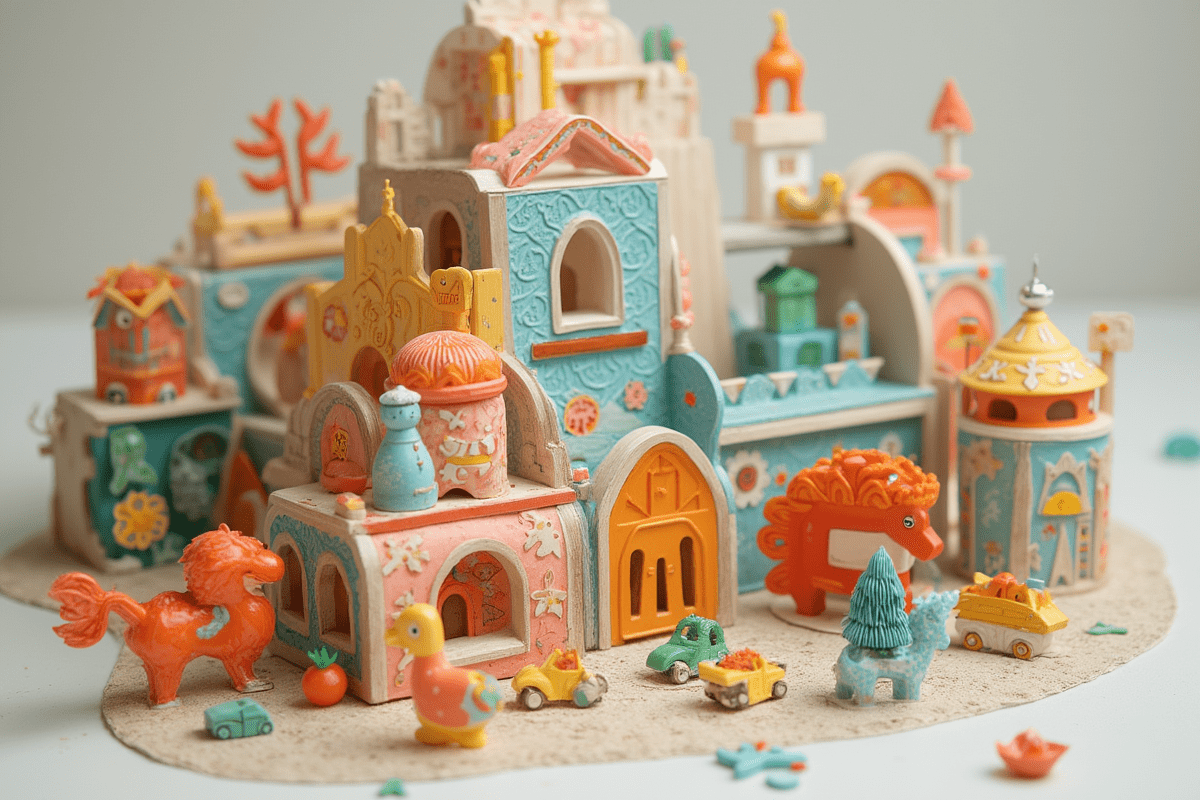
Educational Toys
In today’s fast-paced digital world, keeping children engaged in meaningful learning can feel like a challenge. But what if the secret to unlocking their curiosity lies in something as simple as playtime? Enter learning fun toys—a category of educational tools designed to blend entertainment with skill-building, turning screen time into brain-boosting adventures.
Why Learning Fun Toys Matter
Traditional Educational Toys often emphasizes rote memorization, but experts agree that active, hands-on learning is far more effective. Learning fun toys bridge this gap by encouraging kids to explore concepts through play. Whether it’s solving puzzles, building structures, or experimenting with science kits, these toys stimulate critical thinking, creativity, and problem-solving skills—all while keeping boredom at bay.
Top Picks for Learning Fun Toys
- STEM Kits for Future Innovators
From robotics kits to magnetic building blocks, STEM toys teach children the basics of science, technology, engineering, and math through interactive projects. For example, a coding robot like Botley or a chemistry set can turn abstract ideas into tangible results, fostering a love for discovery.(Educational Toys) - Language and Literacy Games
Toys like alphabet puzzles, storytelling dice, or phonics board games make reading and writing exciting. For younger kids, interactive books with textures and sounds (e.g., LeapFrog products) engage multiple senses, making early literacy a multisensory experience. - Art and Creativity Kits
Painting sets, DIY craft kits, or musical instruments double as learning tools by enhancing fine motor skills, self-expression, and patience. Even something as simple as modeling clay can teach geometry concepts like shapes and symmetry! - Pretend Play Sets
Role-playing toys, such as doctor kits, kitchen sets, or cash registers, build social skills and emotional intelligence. Kids learn empathy, communication, and real-world problem-solving by “acting out” adult scenarios.(Educational Toys)
The Science Behind Play-Based Learning
Research shows that play activates the brain’s reward centers, releasing dopamine—a neurotransmitter linked to motivation and memory. When children enjoy what they’re doing, they’re more likely to retain information and persist through challenges. Learning fun toys leverage this by creating a low-pressure environment where mistakes are part of the process, not failures.(Educational Toys)
Tips for Choosing the Right Toys
- Age-Appropriate Challenges: Opt for toys that match your child’s developmental stage. A 3-year-old might thrive with shape sorters, while a 7-year-old could enjoy a microscope kit.
- Open-Ended Play: Look for toys that encourage creativity (e.g., LEGO, magnetic tiles) rather than rigid, single-use items.
- Parent-Child Interaction: Join in! Playing together strengthens bonds and lets you guide learning subtly.
Final Thoughts
Learning fun toys prove that education doesn’t have to be serious to be effective. By transforming lessons into games, we empower kids to take charge of their own learning journey—one giggle, one “aha!” moment at a time. So next time you’re shopping for gifts, skip the generic plastic toys and invest in tools that grow minds and smiles.
What’s your favorite learning fun toy? Share your recommendations in the comments below!