


Selama beberapa generasi, toys are an important part of childhood, providing opportunities for entertainment, education and development to children around the world. But have you ever wondered how these toys were made? Itu pembuatan mainan is the perfect fusion of creativity, craft and craft. Here is how the toy is produced from concept to finished product.
1. Konsep dan Desain

The toys manufacturing process begins with a concept. Designers and toy developers brainstorm ideas based on market trends, nilai pendidikan, and the target age group. This stage often involves:
- Research: Understanding what children enjoy, current trends, and safety regulations.
- Membuat Sketsa dan Membuat Prototipe: Designers create sketches and digital models of the toy. Prototypes are often made using clay, 3D printing, or simple materials to visualize the design.
2. Pemilihan Bahan

Setelah desain selesai, the next step is selecting the materials. Common materials used in toys manufacturing include:
- Plastik: Widely used due to its versatility, daya tahan, and ability to be molded into various shapes.
- Kayu: Popular for educational toys and those aimed at younger children, as it is sturdy and eco-friendly.
- Kain: Used in plush toys and soft dolls, providing a tactile experience.
- Logam: Often used in toys requiring sturdiness, such as construction sets or vehicles.
Manufacturers must ensure that materials meet safety standards, terutama untuk mainan yang ditujukan untuk anak kecil.
3.Mainan Proses Manufaktur

The manufacturing process varies depending on the type of toy being produced, but here are some common methods:
- Cetakan Injeksi: This process is often used for plastic toys. Plastic pellets are heated until they melt and are then injected into molds to create specific shapes. Setelah dingin, the molds are removed, revealing the toy parts.
- Blow Molding: Used for hollow plastic toys, this process involves inflating heated plastic into a mold, creating lightweight, hollow structures.
- Produksi Jalur Perakitan: Many toys are produced using an assembly line method, where different components are manufactured separately and then assembled. This method is efficient and allows for high-volume production.
- Handcrafting: Some toys, especially those made from wood or fabric, may be handcrafted. Artisans carve, sew, or paint these toys, adding a unique touch that mass-produced toys may lack.
4. Kontrol Kualitas
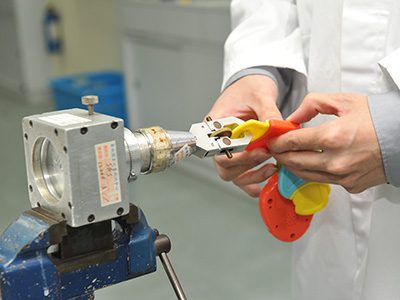
Quality control is a critical step in the toy manufacturing process. After production, toys undergo rigorous testing to ensure they are safe and meet industry standards. This may include:
- Safety Testing: Ensuring toys do not contain harmful materials, tepi yang tajam, or small parts that could pose choking hazards.
- Pengujian Daya Tahan: Assessing whether the toys can withstand typical wear and tear from children.
Toys that pass these tests are then approved for packaging and distribution.
5. Pengemasan dan Distribusi

Once quality control is complete, toys are packaged for sale. Packaging often includes vibrant colors, images, and branding to attract consumers. It also contains important information such as age recommendations, safety warnings, and instructions.
Setelah pengemasan, toys are distributed to retailers or directly to consumers. This can involve shipping to stores, online orders, or bulk shipments to various locations.
6. Pemasaran dan Penjualan
Akhirnya, marketing plays an important part in the toy industry. The makers are developing advertising activities to spread toys through various channels, including television, social media and in store displays. Interacting with consumers through sales promotion, competition and events helps promote sales and boost brand awareness.
Kesimpulan
Itu process of manufacturing toys adalah proses yang kompleks dan menarik, changing ideas to shaped products and delighting children around the world. From the first concept to the final distribution, every step is related to careful planning, kreativitas, and interest in safety. Understanding this process highlights not only the complexity behind the toys we always think is natural but also emphasizes the importance of quality and security in creating products for our younger generation. With simple wood chunks or high-tech gadgets, each toy has a story that reflects its creative work and innovation.