

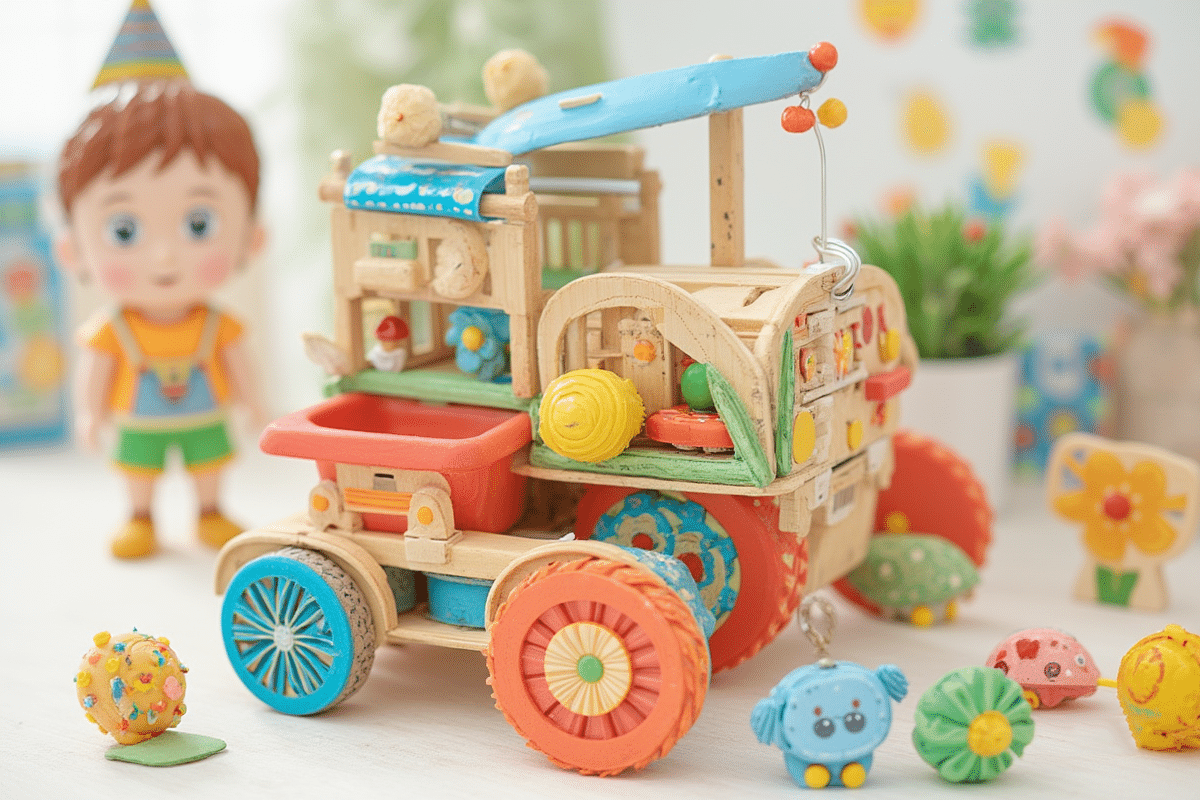
Brinquedos de madeira
In an era dominated by screens, plastic gadgets, and disposable trends, there’s something refreshingly nostalgic about woden toys. These classic playthings, crafted from natural materials, have been captivating children’s imaginations for centuries—and they’re experiencing a resurgence in popularity. Let’s dive into why wooden toys are more than just a throwback; they’re a sustainable, educacional, and aesthetically pleasing choice for modern families.
1. A Connection to Nature
Woden toys bring a piece of the outdoors inside. Unlike their plastic counterparts, they’re made from renewable resources like beech, maple, or rubberwood. The grain, texture, and earthy scent of wood add a sensory element that plastic simply can’t replicate. For eco-conscious parents, wooden toys are a guilt-free choice: they’re biodegradable, não tóxico, and often produced using sustainable forestry practices.
2. Built to Last (and Be Passed Down)
One of the greatest perks of wooden toys? Their durability. A well-crafted wooden train set or stacking blocks can survive generations, becoming heirlooms rather than landfill fodder. In a world of planned obsolescence, wooden toys defy the throwaway culture, teaching kids the value of quality over quantity.
3. Open-Ended Play, Unleashed
Wooden toys excel at sparking creativity. A simple set of wooden blocks can transform into a castle, a spaceship, or a zoo—the possibilities are endless. Unlike battery-operated toys with pre-set functions, wooden playthings encourage problem-solving, imaginação, and independent thinking. They’re the ultimate blank canvas for a child’s mind.
4. Segurança em primeiro lugar
Parents worried about chemical additives or small, breakable parts will appreciate wooden toys. Most are finished with non-toxic paints or natural oils, and their sturdy construction reduces choking hazards. Wooden teethers, rattles, and puzzles are especially popular for infants and toddlers.
5. Aesthetic Appeal
Let’s face it: wooden toys lookgood. Their minimalist, Scandi-inspired designs blend seamlessly into modern home decor. Gone are the days of clashing primary colors and garish packaging—today’s wooden toys are as much a statement piece as they are a plaything.
6. Educational Benefits
From fine motor skills (think puzzles and threading games) to spatial awareness (blocos de construção), wooden toys offer hands-on learning. They also introduce kids to concepts like gravity, balance, and cause-and-effect in a tactile way.
The Downsides? (Not Many)
Of course, wooden toys aren’t perfect. They can be pricier upfront, and they might require a bit more care (no leaving them in puddles!). But many parents argue the cost-per-use makes them worthwhile—especially when you consider their longevity.
How to Choose the Right Wooden Toys
- Look for certifications: FSC (Forest Stewardship Council) labels ensure sustainable sourcing.
- Avoid varnishes/paints with VOCs: Opt for water-based, non-toxic finishes.
- Prioritize age-appropriate designs: Smooth edges, no splinters!
Final Thoughts
Wooden toys aren’t just a fad—they’re a testament to timeless design and mindful parenting. In a world that’s always rushing forward, they remind us to slow down, embrace simplicity, and let curiosity lead the way. So the next time you’re shopping for a gift, consider skipping the flashy electronics and opt for something that’ll spark joy for years to come.
After all, the best toys aren’t the ones that do the most—they’re the ones that inspire children to do the most with their imaginations.
What’s your favorite wooden toy memory? Compartilhe nos comentários abaixo! 🌳🧸