

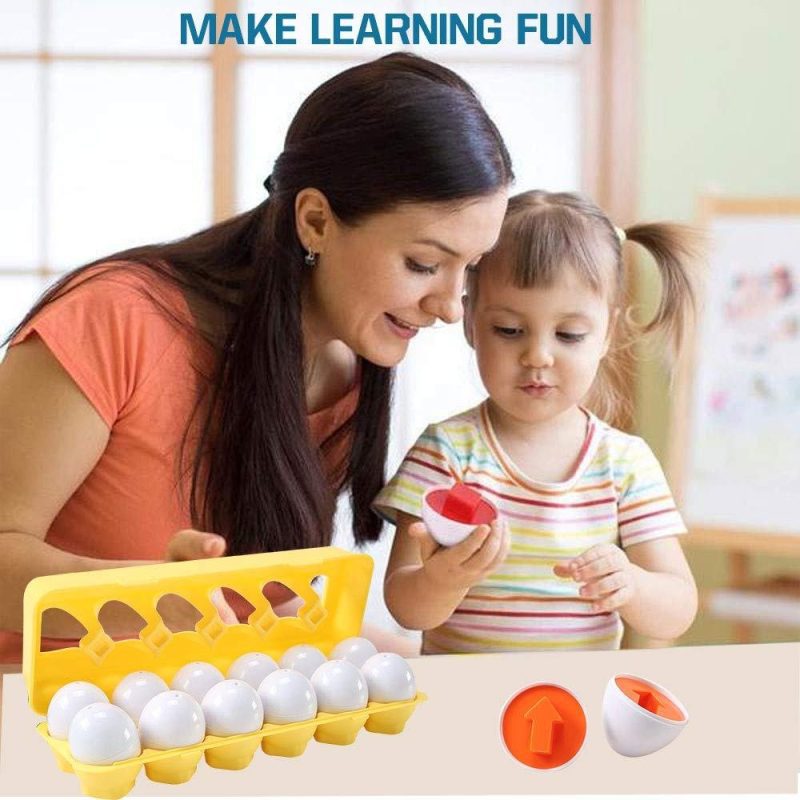
In the age when learning was regarded as a lifelong journey, the demand for education toys increased. These toys can not only entertain children, but also promote the development of cognitive, social, and emotional. For retailers and educators who want to provide these valuable resources, it is very important to understand the situation of Educational Toys Wholesalers. This blog article discusses the significance of the learning toys, the role of wholesalers, the key factors that need to be considered in selecting wholesalers, and how to improve and educate learning toys.
Vikten av pedagogiska leksaker
Educational toys are designed to promote learning through play. They engage children in various activities that stimulate their creativity, problem-solving abilities, and critical thinking skills. Here are some key benefits of educational toys:
- Kognitiv utveckling: Educational toys encourage children to think critically and solve problems. Pussel, byggstenar, and STEM (vetenskap, teknologi, teknik, och matematik) kits challenge children’s minds and help develop essential cognitive skills.
- Motoriska färdigheter: Many educational toys focus on developing fine and gross motor skills. Leksaker som kräver manipulation, such as stacking blocks or threading beads, förbättra hand-öga-koordination och fingerfärdighet.
- Social kompetens: group play toys promote toys and encourage social interaction among children. Brädspel, role-playing sets, collaboration building kits can cultivate teamwork and communication skills.
- Kreativitet och fantasi: open toys such as art supplies and architecture kits can help children express their creativity. They can create their own work and develop an imaginative game.
- Emotional development: participating in educational toys helps children understand their emotions and nurture their minds. Till exempel, role playing toys allow children to explore different scenes and senses.
The Role of Educational Toys Wholesalers
Educational toys wholesalers play a vital role in the supply chain by connecting manufacturers with retailers and educational institutions. They provide a range of products at competitive prices, enabling retailers to offer diverse educational toys to their customers. Here are some key functions of educational toys wholesalers:
- Bulk purchase: wholesalers allowed retailers to purchase educational toys and cut costs significantly. It is especially advantageous for small businesses who want to maintain competitive prices.
- Diverse product coverage: wholesalers usually offer different educational toys and correspond to different age groups and learning style needs. This diversity allows retailers to plan a comprehensive selection for customers.
- Quality assurance: reliable wholesalers always review the products they have and ensure that toys meet the safety and quality standards. This is important to maintain good reputation among you.
- Market Insights: Wholesalers often have valuable insights into market trends and consumer preferences. Retailers can leverage this information to make informed purchasing decisions.
- Support and Resources: Many wholesalers provide marketing materials, product training, and support to help retailers effectively promote and sell educational toys.
Choosing the Right Educational Toys Wholesaler
Selecting the right wholesaler is a critical decision that can impact a retailer’s success. Here are key factors to consider when choosing an educational toys wholesaler:
- Reputation and Reliability: Research the wholesaler’s reputation in the industry. Look for reviews, vittnesmål, and recommendations from other retailers. A reliable wholesaler will have a track record of timely deliveries and quality products.
- Product quality: ensure that distributors provide high quality educational toys consistent with safety standards. Check if there is an authentication that indicates compliance with the security laws such as ASTM and EN71.
- Product range: evaluate the type of product the wholesalers provide. With diverse choices, retailers can meet different customer needs and preferences.
- Pricing and discounting: compare different wholesaler pricing structures. We are looking for competitive pricing, bulk discounts and flexible payment methods for your budget.
- Customer service: evaluates wholesaler’s customer service. Sensitive and helpful support teams can play an important role in solving problems that may arise during purchase.Shipping and Logistics: Consider the wholesaler’s shipping policies and logistics. Timely delivery is crucial for maintaining inventory levels and meeting customer demand.
- Return Policies: Understand the wholesaler’s return and exchange policies. A flexible return policy can provide peace of mind in case of defective products or changes in demand.
Tips for Sourcing Educational Toys
Once you have identified potential educational toys wholesalers, consider the following tips for successful sourcing:
- Attend Trade Shows: Trade shows and industry events provide an excellent opportunity to connect with wholesalers and manufacturers. You can see products firsthand, negotiate deals, and network with other retailers.
- Build Relationships: Establishing a strong relationship with your wholesaler can lead to better pricing, exclusive offers, and priority access to new products. Communicate regularly and provide feedback on products and sales.
- Stay Informed on Trends: Keep abreast of trends in the educational toy market. Follow industry publications, blogs, and social media channels to understand emerging products and consumer preferences.
- Test Products: Before committing to large orders, consider testing a selection of products. This allows you to gauge customer interest and identify which toys resonate most with your target audience.
- Utilize Online Platforms: Many wholesalers operate online platforms that allow for easy browsing and ordering. Take advantage of these resources to streamline your sourcing process.
- Consider Seasonal Demand: Educational toys often see fluctuations in demand based on the time of year, such as back-to-school season or holiday shopping. Plan your inventory accordingly to capitalize on peak sales periods.
- Leverage Marketing Strategies: Once you have sourced educational toys, implement effective marketing strategies to promote them. Utilize social media, email marketing, and in-store displays to attract customers.
The Future of Educational Toys
With the development of technology, the structure of educational toys has changed. Innovations such as augmented reality (AR), virtual reality (VR) and interactive learning applications are increasingly incorporated into educational toys. This has been an exciting opportunity for wholesalers and retailers, and has shifted to providing advanced products that attract children in a new way.
The toy industry also emphasizes sustainability and materials for environment. As consumers become aware of their own purchasing decisions, wholesalers who prioritize environmentally conscious products may be competitive.
Slutsats
Educational toy wholesalers play an important role in providing retailers and educators to the tools necessary to promote children’s learning and development. By understanding the importance of educational toys, the function of distributors and the factors to be considered in choosing suppliers, retailers can succeed in controlling the structure of educational toys.
Through correct partnerships and strategies, retailers provide a variety of high quality educational toys to enrich their children’s lives and promote lifelong learning. As the demand for educational toys continues to increase, people who understand and adapt market trends will be successful in this vibrant industry.